


.webp)







Most small- to medium-sized industrial manufacturers think marketing is confusing, expensive, and, honestly… unnecessary. And marketing is one of those things only big companies with big budgets can afford.
Well, that’s not true.
This belief is costing these manufacturers real revenue.
74% of manufacturers now report having a formal marketing strategy. And yet, most small manufacturers still don’t know what to do or where to start.
In this guide, you’ll understand what manufacturing marketing really means, why it’s no longer optional, and the exact strategies small manufacturers are using to generate revenue—without big budgets or prior marketing experience.
What is Manufacturing Marketing?
Manufacturing marketing is the process by which industrial companies promote and sell their products to other businesses. It focuses on helping the right buyers understand what you make, trust your technical expertise, and reach out—often over long, complex sales cycles.
This includes practical efforts like non-digital marketing (trade shows, cold calls, print ads) and digital marketing (content, SEO, paid ads) that connect your production capabilities with real buyer needs.
And here’s where most manufacturers miss something important: marketing and sales aren’t separate entities. They are correlated.
Why Sales Needs Marketing (and Vice Versa)
Sales teams bring in customers, but marketing makes their job easier. Instead of relying solely on cold calls, trade shows, or chance referrals, marketing helps attract people who are already interested — like someone filling out a form on your website, messaging you on LinkedIn, or finding your brochure at a trade show.
When sales and marketing work together, your team gets fewer “Who are you?” conversations and more “We’ve heard of you, can we talk?” leads.
This saves time, expands your reach, and creates a more predictable customer flow. This shows how marketing prepares the customer to buy; sales closes the deal.

You don’t need a full marketing team to get started. You can begin small, test one or two channels, and scale only when you see results.
6 Proven B2B Manufacturing Marketing Strategies (Start Here)
There are multiple channels to build a strong B2B manufacturing marketing strategy. Here are some results-oriented channels for you to begin with.
1. Content Marketing (Your Expertise, Published Simply)
Content marketing is a process of explaining your capabilities, processes, tolerances, materials, and applications.
These can primarily be delivered through multiple digital platforms, such as LinkedIn, Facebook, Reddit, Industry forums, and, most importantly, your website (blogs, service pages, capability pages, case studies, e-books, white papers, etc.).
How to Start:
- Decide the purpose of your content: educate buyers, showcase capabilities, or support sales.
- Pick 2–3 content formats you can realistically maintain (case studies, capability pages, blogs, LinkedIn posts, videos).
- Build a simple content calendar — even one post every 2 weeks is enough.
- Align topics with what sales gets asked most often, so your content actually reduces workload.
Download a free 3-month manufacturing content plan (30 topics) you can use as-is.
Manufacturers win sales by building trust. Content helps them build it before the first call.
2. Trade Show & Expo Marketing (Old School but Still Powerful)
Still one of the best channels for manufacturers.
Trade shows help you meet engineers and procurement teams face-to-face. This is where you get real, unfiltered insights: what they’re struggling with, what budgets look like this year, and which suppliers they’re actively searching for.
How to Start:
- Pick 1–2 industry shows your real buyers attend (not generic expos).
- Bring a clear one-page capabilities sheet with specs, materials, tolerances, and industries served.
- Capture every RFQ or inquiry and log it in a simple CRM/Google Sheet so follow-ups never slip through the cracks.
Trade shows turn months of “no responses” outreach into 2 days of “we got your business cards, we’ll get in touch soon” conversations.
Suggested Read: 30 Definitive Ways to Capture Leads at Manufacturing Trade Shows
3. Search Engine Optimization (SEO)
Manufacturing SEO is the process of optimizing your website to appear in Google search results when buyers search for your services. This helps your buyers and Google (search engines) understand what you do, so you show up when someone types what you make.
Buyers typically search on Google using part number, material, tolerance, and process, not generic marketing terms such as “cutting-edge services, innovative engineering, excellent B2B manufacturing services,” or “end-to-end capabilities.” Therefore, it’s essential to implement effective B2B SEO strategies to outrank your competitors online.
Industrial SEO can be achieved by targeting the keywords your buyers exactly search for (based on your industrial niche) and writing content (blog posts, capability pages, etc.) around those keywords on your website.
How to Start:
- List your core services and industries that you serve. These become your core (website) content pages.
- Ensure every page includes clear specs, materials, tolerances, FAQs, and process steps.
- Fix the technical basics: fast-loading website (under 3 seconds), mobile-friendly, no broken pages. Seek help from professional SEO companies.
- Keep adding new pages over time instead of trying to “perfect” them upfront.
- Consider a team of SEO experts who can handle all of these for you easily when you manage your industrial floor.
SEO brings consistent, high-intent visitors who already know what they need. It can be overwhelming at first, but there are tons of beginner-friendly guides and tools that make it easier.
4. Paid Search and PPC Marketing (Fast Visibility, Controlled Spend)
On average, SMBs invest 7X more in PPC than in SEO.
PPC (Pay-Per-Click) or Paid Ads help manufacturing teams compete with bigger suppliers instantly. This has a significant impact on new line launches or major announcements.
How to Start:
- Identify 5–10 high-intent keywords related to your capabilities.
- Set a small monthly budget and test one campaign at a time.
- Write simple ad copy focused on capabilities, not clever wording.
- Track which keywords bring actual RFQs and shift the budget accordingly.
Paid search puts you in front of buyers now, while SEO builds long-term growth.
Follow these simple steps to get started with PPC today.
5. PR & Partnership Marketing for Manufacturers
PR and Partnership marketing is all about getting your brand in front of buyers through trusted third parties—suppliers, OEMs, distributors, directories, trade publications, and industry platforms where your buyers are already searching for vendors.
How to Start:
- Create co-branded capability sheets with suppliers or OEM partners.
- List your company on high-intent industry directories (engineering platforms, regional vendor lists).
- Share updates like certifications, machine upgrades, quality improvements, or sustainability efforts through trade media.
- Publish simple thought-leadership content: “How we machine X material,” “Common tolerance issues,” etc.
When credible platforms, partners, or publications talk about you, buyers take you more seriously—making it easier to win more sales, justify pricing, and build long-term relationships.
6. Email & Lead Marketing
Most manufacturers need a clean, reliable way to respond to inquiries quickly and keep the conversation moving.
Staying top-of-mind with prospects through timely, simple communication that guides them from initial inquiry → high-quality lead → confirmed order without delays or confusion.
How to Start:
- Set up an introductory auto-confirmation email so buyers know their inquiries have been received.
- Make a rule for a human reply within 12 hours—faster than 90% of your competitors.
- Send case studies, capability sheets, or sample work to build instant confidence.
In manufacturing, speed closes deals. Most suppliers lose opportunities not because of pricing, but because they respond too slowly or inconsistently.
~47,000 Manufacturing Searches Happen Online Daily. Are You Showing Up?


However, most manufacturers ask us this question: how can we ensure that our marketing strategy is on point?
What are the Objectives of Manufacturing Marketing?
The following objectives turn marketing from “random promotion” into a predictable system that attracts the right buyers, builds trust, and helps manufacturers win more RFQs with less effort.
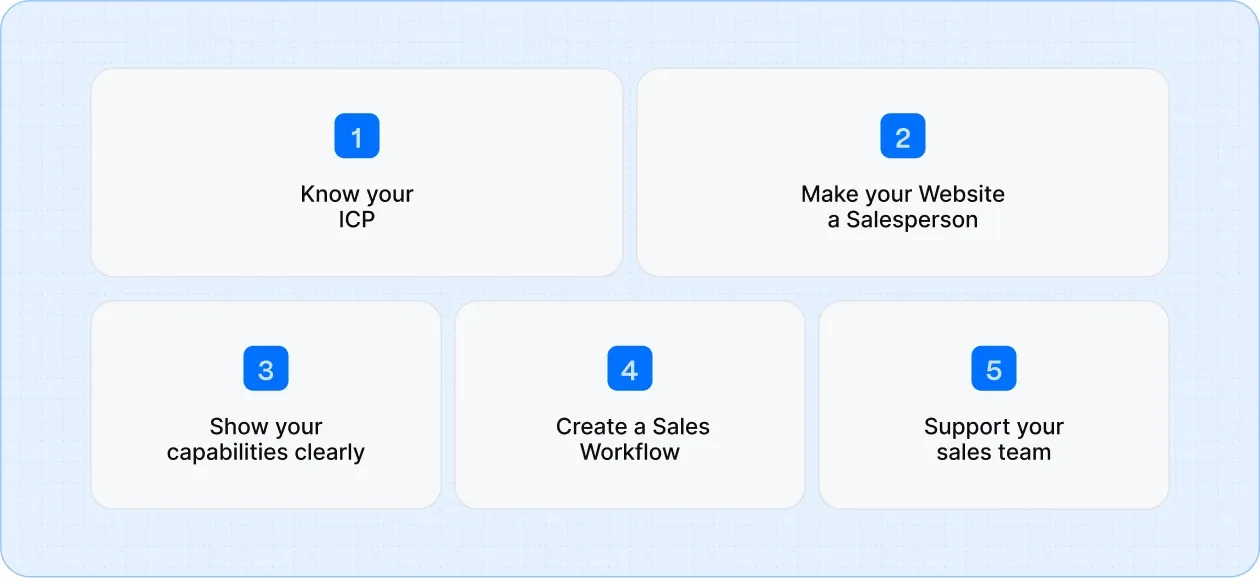
- Know Exactly Who Your Ideal Customer Profile Is (Your ICP): You can’t market to “everyone.” You need to know which industries, part specs, tolerances, volumes, and decision-makers are the best fit. This helps avoid wasting time on low-quality leads.
- Make Your Website Your Best Salesperson: Your website should clearly show what you make, how you make it, and why someone should trust you. Good web design simply means fewer questions, fewer back-and-forths, and more sales. Consider some of the manufacturing website design examples for the same.
- Show Your Capabilities Clearly & Confidently: Buyers want to know specifics: materials, tolerances, industries served, certifications, machines, and turnaround times. Clear capability communication cuts sales cycles in half.
- Create Predictable Sales Flow (Not Seasonal or Random): Marketing should help you avoid slow months. When done right, you know how many leads you can expect each week or month, providing stability for production planning and revenue.
- Support Your Sales Team With Better Leads: Sales teams shouldn’t waste time chasing poor-fit buyers. Good marketing gives them qualified leads who already know what they want, making every conversation more productive.
To add to this, here’s what a Reddit user said:
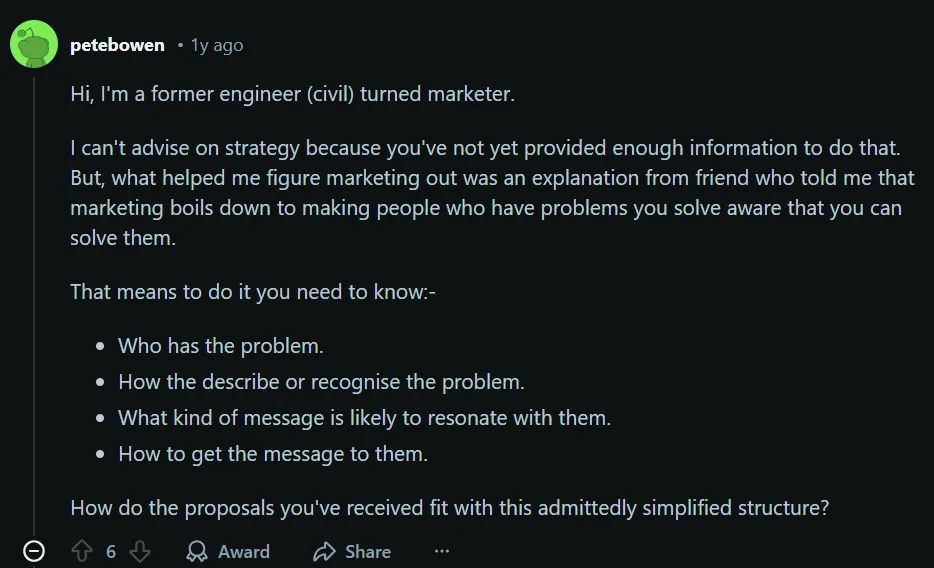
If you understand the objectives correctly, you are half the way there.
What Manufacturing Marketing Actually Looks Like in a Real Industrial Business
If you run a manufacturing company, marketing probably feels confusing because it’s rarely explained in practical terms.
You don’t need viral posts. You don’t need fancy branding. And you definitely don’t need to “be everywhere.”
Marketing for manufacturing companies is about making it easier for the right buyers to find, understand, and contact you.
In a real manufacturing business, marketing usually shows up in particular ways:
- A buyer Googles how to machine a specific material or who can meet a certain tolerance
- Someone from procurement checks your website after getting your name at a trade show
- An engineer wants to quickly confirm your capabilities before sending an RFQ
- A prospect compares you with 2–3 other suppliers before deciding who to call
Manufacturing marketing exists to support these exact moments.
That’s why marketing in manufacturing companies looks very different from consumer or software marketing. Your buyers are not impulse buyers. They are engineers, sourcing managers, and operations leaders trying to reduce risk.
For most manufacturers, effective marketing includes:
- A clear website that explains what you make, how you make it, and for whom
- Capability pages that list materials, tolerances, machines, certifications, and industries
- Simple content that answers common buyer questions, so salespeople don’t have to repeat the same explanations
- A basic follow-up system so inquiries don’t get lost or delayed
This is the real role of marketing in the manufacturing industry: Reduce confusion, build trust faster, and help sales conversations start at a higher level.
You don’t need a massive manufacturing marketing plan to begin. Most small and mid-sized manufacturers start with just one or two channels—often content marketing, SEO, or trade shows—and build from there once they see what works.
When done correctly, marketing for manufacturers doesn’t replace sales.
It makes sales easier, faster, and more predictable.
Manufacturing Marketing Covers More Than One Channel
For most small and mid-sized companies, manufacturing marketing is not one activity—it’s a set of coordinated efforts.
A practical manufacturing marketing plan often includes:
- Content marketing for manufacturers to explain capabilities and answer buyer questions
- Manufacturing digital marketing, like SEO and PPC, to capture active search demand
- Trade shows and partnerships to support relationship-driven sales
- Email and follow-ups to move leads through long B2B sales cycles
This is why marketing strategies for manufacturing companies look different from those in other industries. You’re not marketing to consumers—you’re doing B2B manufacturing marketing and industrial manufacturing marketing, where trust and clarity matter more than volume.
What is the Cost of Manufacturing Marketing in the US?
Marketing costs can vary widely depending on how you execute it and which channels you use. Let’s break it down simply so you can plan effectively.
Additional Marketing Expenses
If you plan to include PPC, social media marketing, or trade show participation, expect to allocate an additional 20–30% of your marketing budget. This is separate from content, SEO, or web design and is meant to amplify reach or drive specific campaigns for more revenue and growth.
The right approach depends on your company's size, budget, and goals. Small manufacturers can start small, measure results, and scale investments gradually, without committing to huge upfront costs.
Avoid These Manufacturing Marketing Mistakes Without Fail
It’s easy to stumble in ways that waste time, money, and energy. Here are the pitfalls most manufacturers fall into, and how you can avoid them.
- Trying to Do Everything at Once: Some companies jump on every channel—SEO, PPC, LinkedIn, emails, trade shows—at the same time. Nothing gets done well without a strategic plan. Focus on channels that actually reach your buyers first. Then, start building over it.
- Not Tracking What Works: If you’re not measuring clicks, inquiries, or leads, you’re flying blind. Simple tracking shows what’s actually generating interest, so you can spend your money wisely.
- Copying Others Blindly: Just because a competitor posts a certain way doesn’t mean it fits your products or buyers. Adapt strategies to your business and your buyers’ needs.
- Failing to Nurture Leads: Getting an inquiry is just the start. Many manufacturers lose deals by not following up consistently or giving buyers the info they need. Timely emails, calls, or capability sheets can turn a curious lead into a long-term order.
- Not Aligning Marketing with Sales: Marketing that doesn’t sync with your sales team creates confusion and missed opportunities. Ensure your campaigns, content, and messaging support the sales process from first contact to RFQ.
Wrapping Up
Marketing for manufacturers doesn’t have to be complicated or expensive. By understanding your buyers, using the right mix of digital and offline strategies, aligning marketing with sales, and consistently measuring results, even small and mid-sized manufacturers can generate leads, build trust, and grow revenue.
Start simple, focus on high-value actions, and scale your efforts as you see results—marketing becomes a predictable system for business growth rather than a guessing game.
Talk to a team of AI SEO experts for manufacturers to gain more revenue in 3-6 months, and to avoid wasting money on common SEO mistakes.


.webp)







.webp)


.svg)


