










Marketing industrial products can feel like navigating a complex maze. Unlike consumer goods, industrial products often cater to a specific audience, solving highly specialized problems. But how do you effectively communicate the value of your products to decision-makers who are often overwhelmed with options?
The key to success lies in a well-crafted marketing strategy that targets the right people, at the right time, with the right message. But how do you build a strategy that works? How can you ensure your industrial product not only stands out but also attracts and converts the right leads?
In this blog, we’ll explore the elements of an effective marketing strategy for industrial products.
What is Marketing?
Marketing is the work that makes your product findable, understood, and trusted by the people who might buy it. For industrial products, it means clear technical proof, practical answers, and signals that reduce risk for engineers and procurement teams.
At its best, marketing maps to the buyer’s journey. It builds awareness when someone starts researching, provides the specific facts they need to compare suppliers, and supports the internal case they must make to buy. Each piece of content or touchpoint should have a clear role in that path.
Marketing also measures what matters to the business. It tracks who shows up, how they interact with technical content, and whether those interactions become real enquiries. When marketing links to real commercial outcomes, it stops being chaotic and starts being predictable growth.
What Makes Marketing Industrial Products Different from Other Industries?
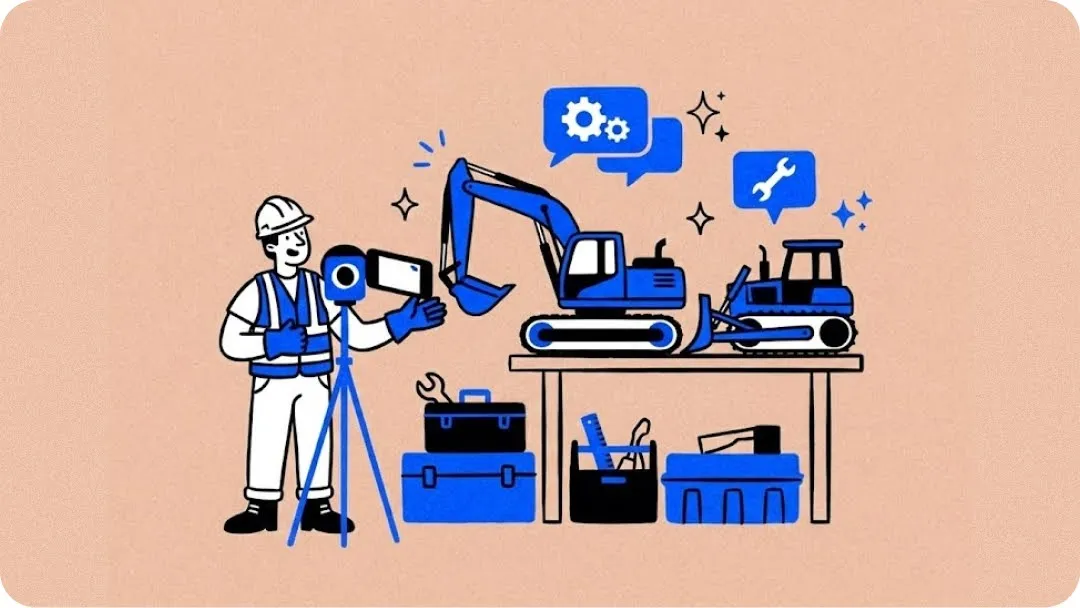
Industrial products often require more technical, niche marketing efforts due to their complexity and specialized customer base. It focuses on selling complex, high-value products to businesses that need them for specific functions.
Challenges in Industrial Marketing:
- Complex Products: Industrial products often have multiple components and technical specs that need to be explained clearly.
- Long Sales Cycles: Sales for industrial products can take months or even years, requiring patience and persistence.
- Niche Audiences: Your customers are often in specialized industries with unique needs, meaning your marketing must be targeted and precise.
Why This Requires a Unique Strategy?
- Precision in Targeting: Industrial marketing is about strategically reaching the ideal buyer at the optimal moment with a message that directly resonates with their specific needs and pain points.
- Education Over Selling: Your products often need a detailed explanation, which means educating your audience is key.
Foundations of an Effective Industrial Product Marketing Strategy
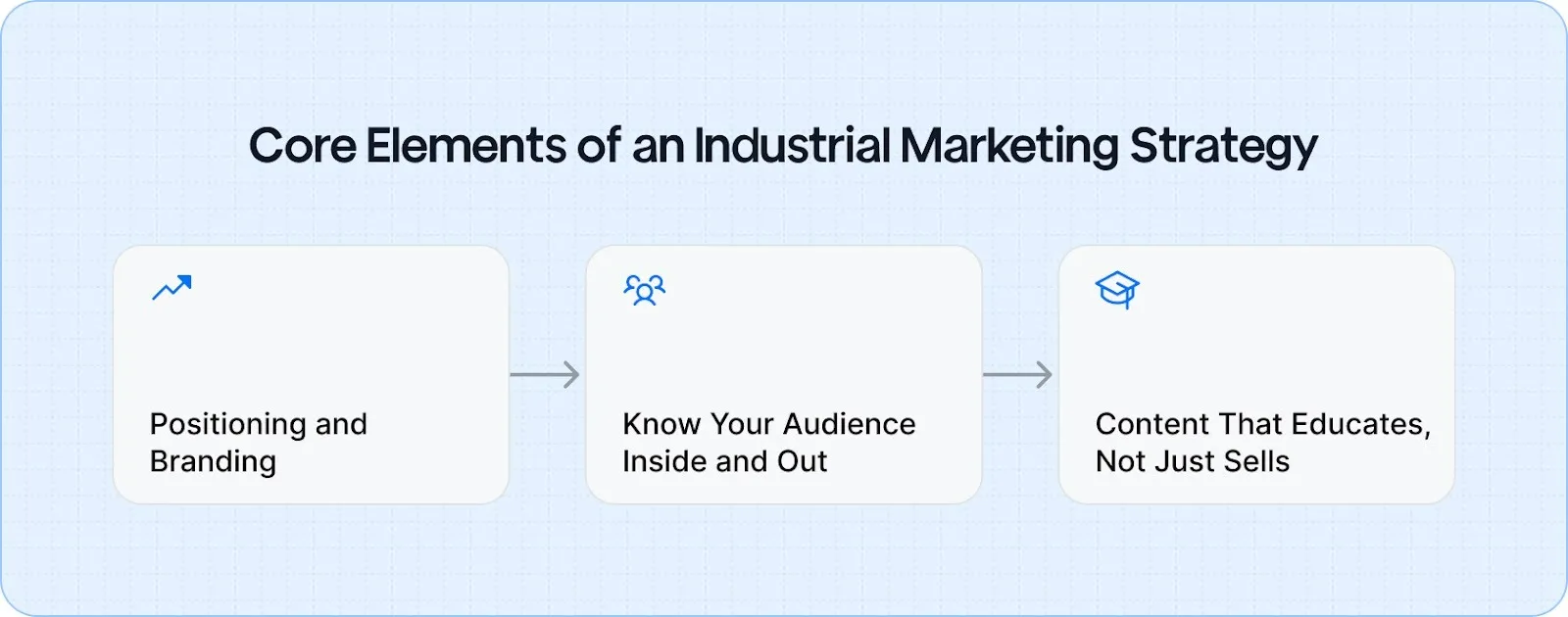
A successful marketing strategy involves precise positioning, understanding your audience, and crafting educational content that resonates with your target buyers. These core elements help build trust and drive qualified leads.
- Positioning and Branding
First, you need to position your product clearly. What makes it stand out? What value does it bring? Strong branding ensures your product is memorable and easily recognizable.
- Know Your Audience Inside and Out
Create buyer personas, detailed profiles of your ideal customers. Understanding their needs, challenges, and how they make buying decisions will help you craft tailored marketing messages.
- Content That Educates, Not Just Sells
Offer valuable content that helps to solve problems and make informed decisions about your product.
Example:
- Blogs explaining product use.
- Videos showing product demonstrations.
- Case Studies with real-world results.
To further guide you in creating an effective industrial marketing strategy, check out this quick video on the simple steps to develop one.
Struggling to optimize your marketing workflow and scale your outreach?
Platforms that streamline lead generation and team collaboration are crucial for industrial businesses.


Digital Marketing Approaches for Industrial Product Growth
Digital marketing tools like ABM, AI-powered SEO, and social media are transforming how industrial products are marketed. Leveraging these tools can enhance your outreach and connect you with key decision-makers more efficiently.
Account-Based Marketing (ABM)
ABM is all about targeting specific, high-value accounts. This means focusing your efforts on a smaller set of prospects who are the best fit for your product. You can tailor your marketing specifically for each of these accounts, ensuring a higher chance of conversion.
AI-Powered SEO and Content Creation
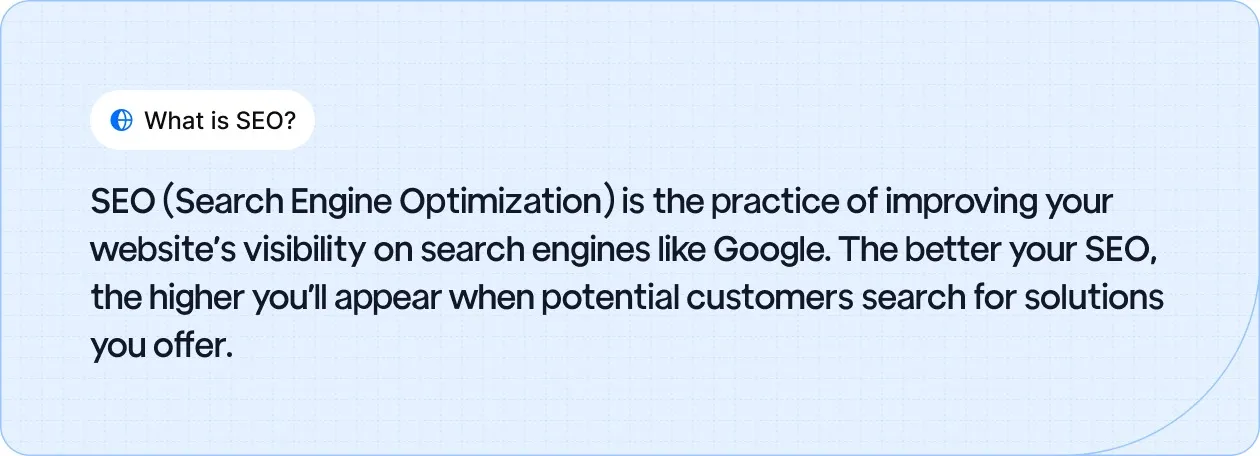
AI tools are revolutionizing marketing by speeding up tasks like keyword research and content generation. You can create high-quality content faster and improve your SEO to rank higher in search results, bringing more targeted traffic.
Maximizing Social Media: LinkedIn and Beyond
Social media platforms like LinkedIn are powerful for connecting with B2B decision-makers. Sharing content, networking with industry professionals, and using LinkedIn ads can drive meaningful leads for industrial products.
The Role of Traditional Marketing in Industrial Sales
While digital marketing is critical, traditional methods like trade shows and direct mail remain powerful for building relationships and demonstrating products.
Integrating both approaches maximizes your marketing effectiveness.
Trade Shows and Networking

In-person events like trade shows and industry conferences are making a comeback. These are great opportunities to showcase your products, network with potential clients, and build relationships.
But today, you need to pair them with digital efforts for a comprehensive approach.
Direct Mail and Print: Not Outdated, Just Evolving
Direct mail might seem old-fashioned, but it’s still a powerful tool, especially when combined with digital strategies.
Personalized brochures, product catalogs, and postcards can grab attention and drive action when used correctly.
Common Challenges Faced When Marketing Industrial Products
Industrial product marketing comes with unique challenges, but with the right strategies, you can simplify complex products and manage long sales cycles effectively.
Overcoming these hurdles ensures your efforts resonate with the right audience.
Simplifying Complex Products
Industrial products often come with technical specs that can overwhelm your audience. The key is to simplify and relate these specs to real-world benefits:
Focus on the customer’s pain points. Explain how your product meets specific needs, saves energy, reduces downtime, and improves safety, without delving too much into technical details.
Handling Long Sales Cycles
Long sales cycles are a given in industrial marketing, but keeping prospects engaged is key:
- Segment your leads: Tailor your communication based on where the lead is in the buying journey.
- Nurture without overwhelming: Send helpful, relevant content like case studies, webinars, and reports to keep the conversation going.
Many in the industry are facing the challenge of reaching the right leads or navigating complex product descriptions.
Check out this Reddit conversation for a broader look at how manufacturers can approach industrial marketing.
Current Trends Shaping Industrial Marketing
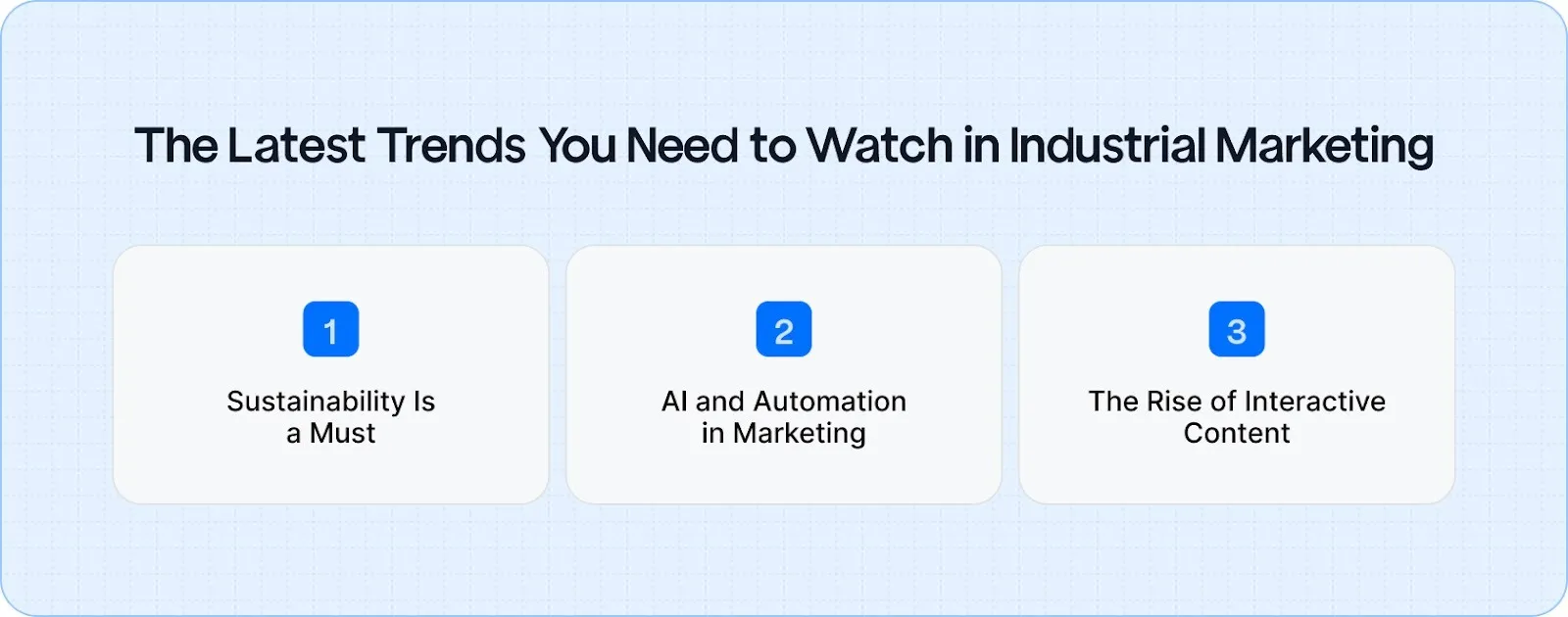
Staying ahead of trends like sustainability, AI, and interactive content can give your marketing efforts an edge. Embracing these trends ensures your brand stays relevant and attracts modern buyers.
Sustainability Is a Must
Eco-conscious buyers are more prevalent than ever. Showcase how your products contribute to sustainability:
- Highlight eco-friendly benefits: If your product is energy-efficient or reduces waste, make it a central point in your marketing.
- Certifications matter: Promote any green certifications or eco-labels your products have.
The Rise of Interactive Content
Static content is becoming less effective. Interactive tools engage prospects better:
- 360° product views: Let prospects explore your product virtually.
- Product calculators and quizzes: Help customers calculate ROI or choose the right product based on their needs.
Looking for a platform to help streamline lead tracking and close deals faster?
It’s time to accelerate your marketing.
Measuring Key Metrics for Industrial Product Marketing
Measuring success in industrial marketing means tracking the right metrics to optimize your efforts. Here’s how to focus on what truly drives growth and results.
Tracking KPIs (Key Performance Indicators) That Matter
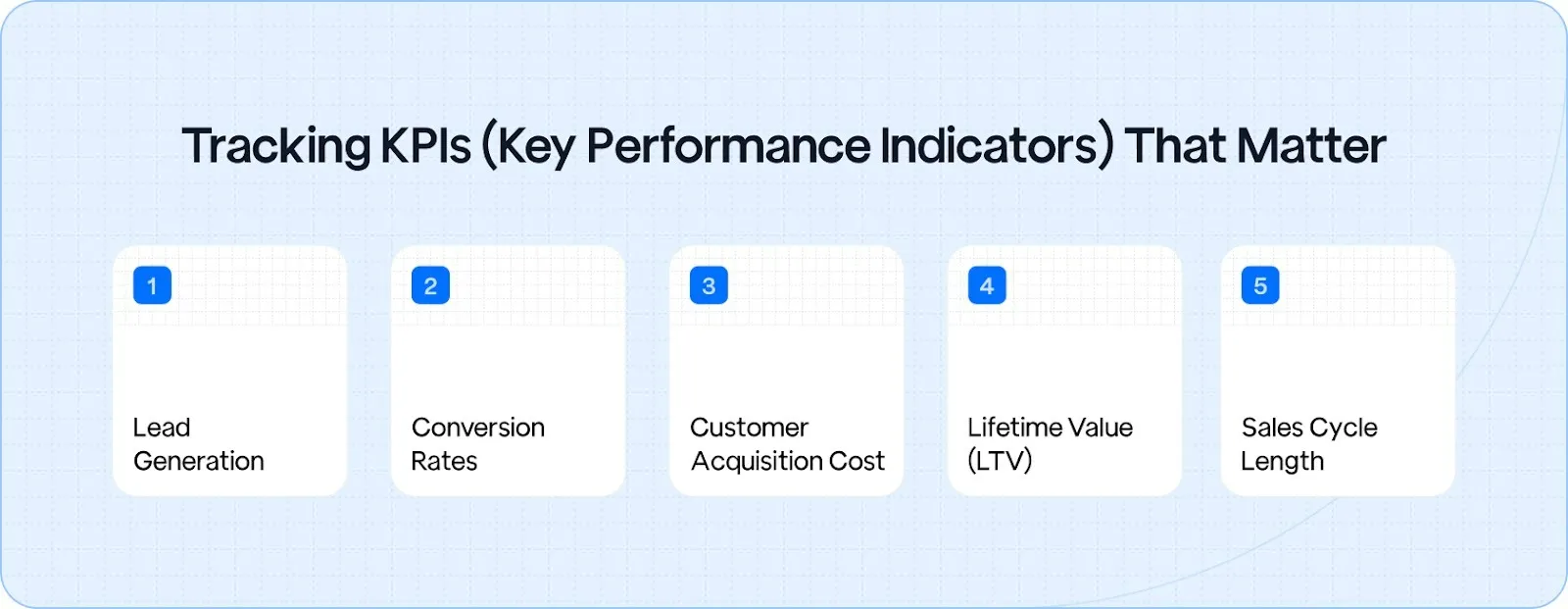
Focus on key metrics that directly impact your marketing and sales:
- Lead Generation: Track how many quality leads you’re attracting.
- Conversion Rates: Measure how many leads turn into paying customers.
- Customer Acquisition Cost (CAC): Know how much you’re spending to acquire each customer.
- Lifetime Value (LTV): Understand the long-term value of each customer.
- Sales Cycle Length: Track how long it takes to convert a lead into a sale.
These KPIs help you assess the effectiveness of your marketing and adjust as needed.
Tools for Tracking Performance
Use these tools to measure your KPIs:
- Google Analytics: Track traffic, user behavior, and conversion paths.
- HubSpot: Monitor leads, sales, and campaign performance.
- SEMrush: Track SEO performance and keyword rankings.
- LinkedIn Analytics: Measure engagement with your professional audience.
These tools offer valuable insights to optimize your strategy.
A/B Testing and Optimization
A/B testing helps you improve key elements of your marketing:
- Test one element: Focus on a single aspect, like CTAs or headlines.
- Measure results: Track engagement and conversion rates to see what works.
- Optimize: Use the insights to refine your campaigns and improve performance over time.
Start Optimizing Your Industrial Marketing Strategy Today
Industrial marketing demands a targeted approach that combines positioning, account-based marketing (ABM), valuable content, and the right digital tools to drive meaningful results.
If you’re still relying on outdated methods or hoping for a DIY fix, it’s time to shift gears. The real challenge is ensuring you’re reaching the right decision-makers with content that resonates.
Ready to elevate your industrial marketing?
Gushwork streamlines workflows and automates lead generation. Start your free trial today and optimize your processes.


.webp)






.webp)


.svg)


